
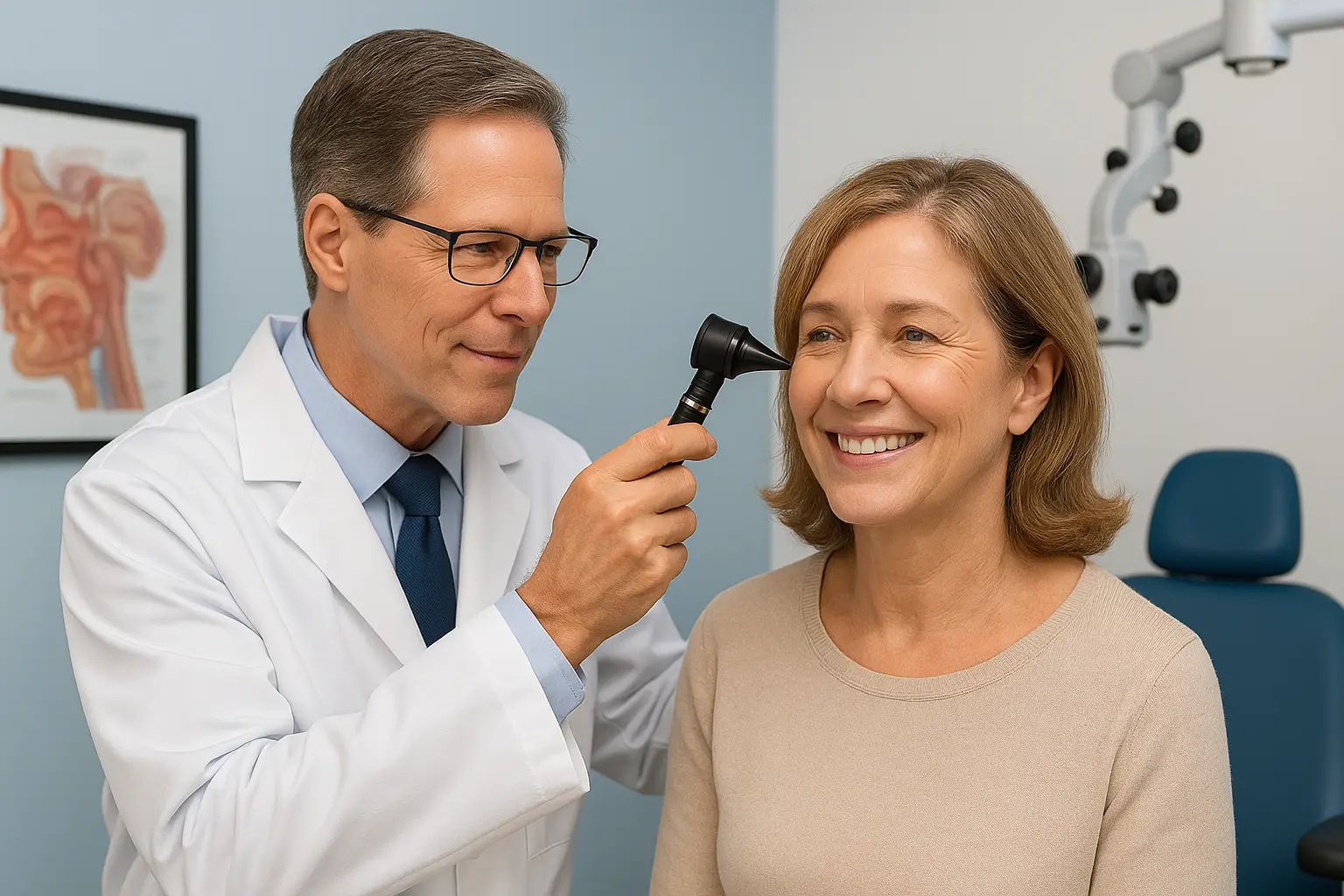
If you think you might be experiencing hearing loss, schedule a complimentary hearing test with our hearing care specialist.
Advanced care for sinus, allergy, hearing, sleep apnea, and
head & neck conditions-delivered with compassion and
precision.
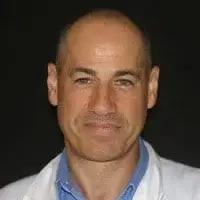

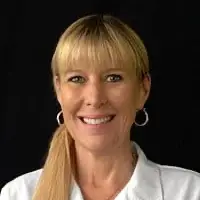
Specialties: Speech Supervisor & Apraxia, Fluency & Feeding Disorders
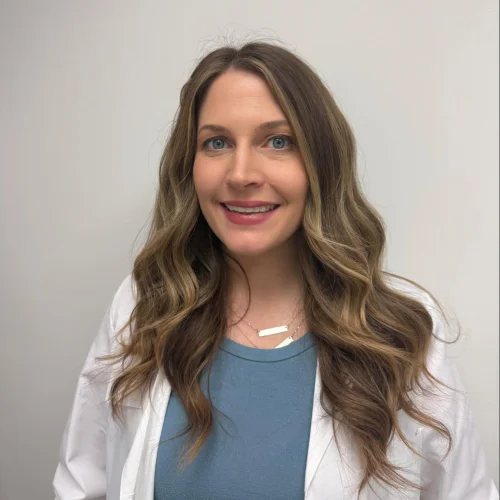
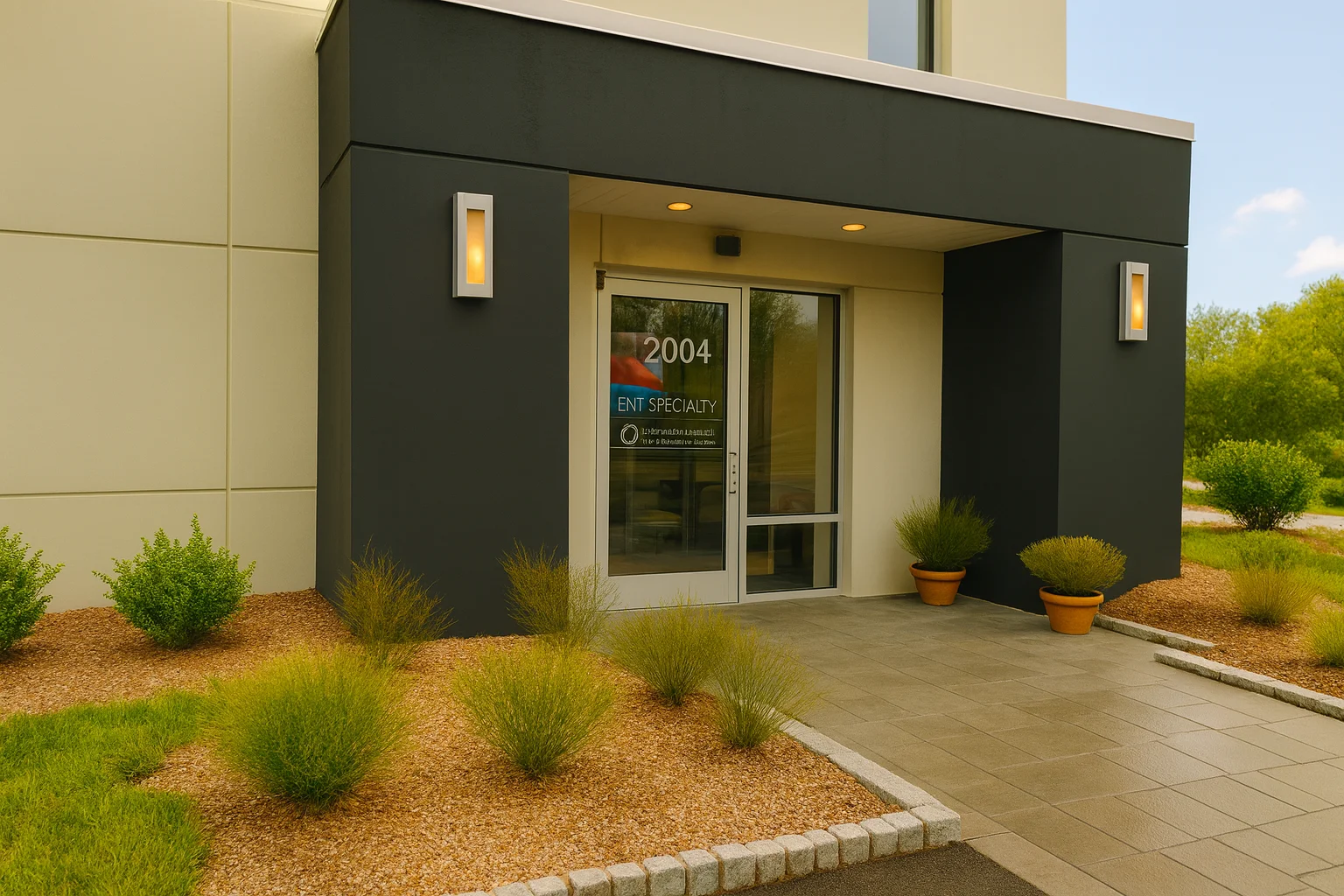
At ENT Specialty Care, you’re a partner in your care. We take time to listen, explain, and guide you through your options so you can feel confident in your treatment decisions.
What sets us apart is our commitment to your well-being. We combine expertise, compassion, and personalized care to help you feel your best—every step of the way.

Looking for a more holistic approach to wellness?
Our practice is proud to be connected to Functional Medical Basics, an integrative medicine clinic founded by Dr. Emily Gordon and dedicated to identifying root causes and restoring balance throughout the body.
While ENT Specialty Care focuses on ear, nose, and throat health, Functional Medical Basics supports patients seeking a broader, whole-body perspective on healing and long-term wellness—offering care that looks beyond symptoms to treat the person as a whole.
We are proud to share a few of our patients’ experiences.
* Free hearing tests are provided for initial screening purposes only and do not include a comprehensive diagnostic evaluation or medical examination. Not redeemable for cash or billable to insurance.
Step 1:
Log in to your patient portal and navigate to: Appointments Tab > Request an Appointment> Upcoming Appointment
Step 2:
Use the filters to select: Appointment type > Preferred date and time
Step 3:
Browse available appointment times and select the one that works best for you.
Step 4:
Review your appointment details. Add a reason for your visit if needed, then click Request to confirm.