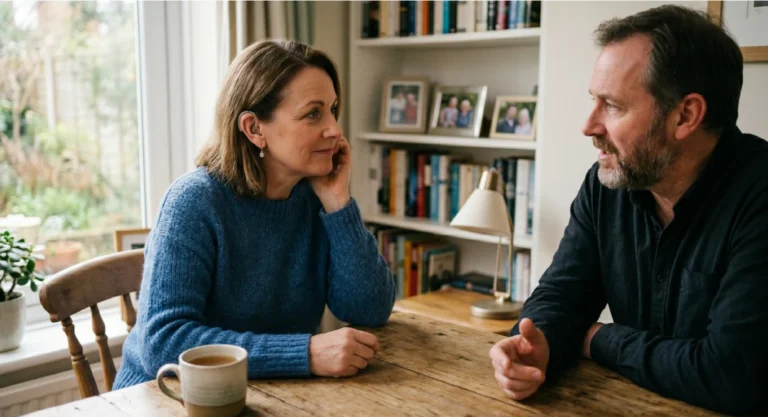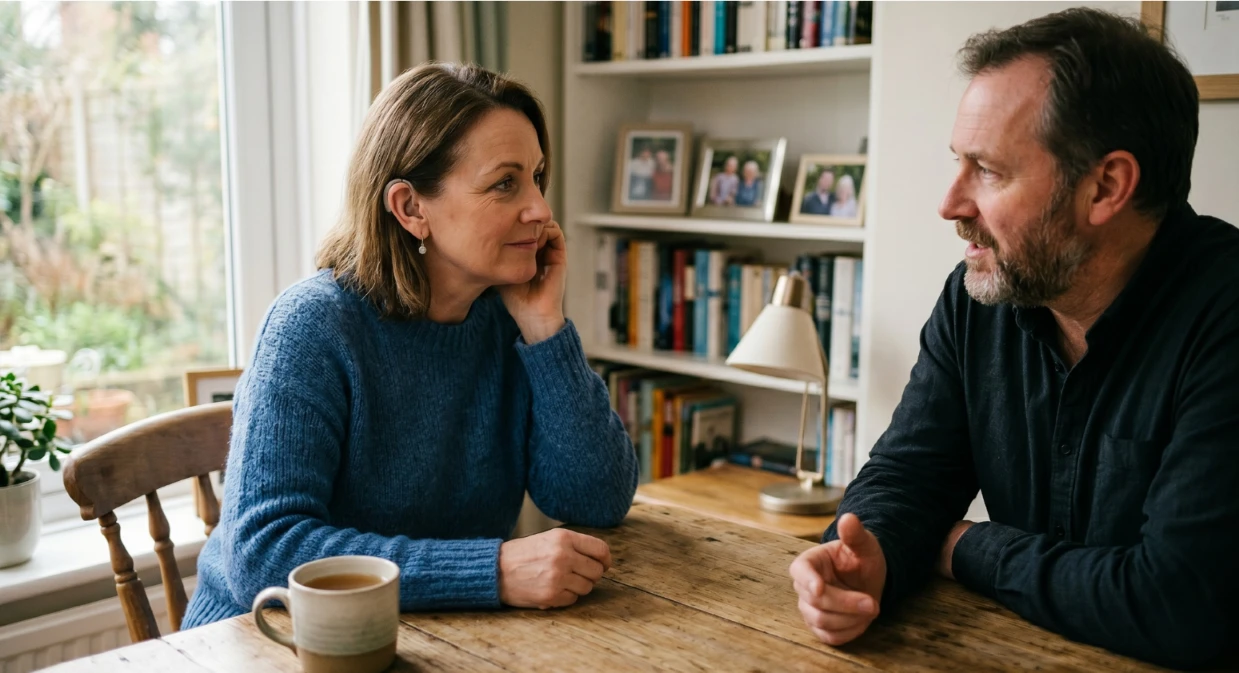
As we age, maintaining social connections becomes increasingly vital for our overall well-being. However, for many seniors, a common and often overlooked challenge can silently erode these connections: hearing loss. It’s more than just difficulty hearing; it can contribute to profound feelings of loneliness and isolation. At ENT Specialty Care in Goshen, NY, we understand the significant impact hearing impairment can have on quality of life, and we’re dedicated to helping our community stay connected and engaged.
The Silent Barrier: Hearing Loss and Social Withdrawal
Hearing loss is a widespread issue among older adults. One in three people between the ages of 65 and 74 has hearing loss, and nearly half of those 75 and older have difficulty hearing. This isn’t just an inconvenience; it can be a major barrier to social interaction.
Imagine a family gathering where conversations buzz around you, but you catch only snippets, or a phone call where you constantly ask the caller to repeat themselves. Over time, these experiences can lead to:
- Frustration and exhaustion: Straining to hear is tiring and can make social situations feel overwhelming.
- Misunderstandings: Missing key parts of conversations can lead to confusion or feeling left out.
- Reduced participation: Fear of embarrassment or misunderstanding can cause individuals to withdraw from activities they once enjoyed.
- Increased feelings of loneliness: As social interactions diminish, so too can feelings of connection and belonging.
How Hearing Aids Can Bridge the Gap
Fortunately, modern hearing aids offer a powerful solution to mitigate these challenges. They are not merely devices to amplify sound; they are tools designed to improve communication, enhance engagement, and ultimately, reduce isolation. Research supports this, with studies indicating that addressing hearing loss may reduce isolation among the elderly.
Here’s how hearing aids can make a meaningful difference:
- Improved Clarity and Understanding: Modern hearing aids are sophisticated. They can be programmed to specific hearing profiles, amplifying frequencies that are difficult to hear while often reducing background noise, making conversations clearer and easier to follow.
- Enhanced Social Confidence: With better hearing, seniors can participate more actively in conversations, group activities, and social events without the constant fear of missing out or misunderstanding. This renewed confidence encourages greater engagement.
- Stronger Family Connections: Improved hearing can make it easier to participate in conversations with family members and may help reduce some of the communication challenges that can accompany hearing loss.
- Re-engagement with Hobbies and Interests: Many hobbies, from card games to community classes, rely on good hearing. Hearing aids can help seniors rediscover and enjoy these activities, expanding their social circles and combating boredom.
- Better Safety and Awareness: Beyond social benefits, improved hearing can enhance awareness of surroundings, contributing to personal safety, such as hearing approaching vehicles or alarms.
A Path to Reconnection with ENT Specialty Care
While hearing aids are incredibly beneficial, it’s important to remember that they are a tool, and their effectiveness relies on proper fitting, adjustment, and ongoing support. This is where professional guidance from an ENT specialist is crucial.
At ENT Specialty Care in Goshen, NY, our team provides comprehensive hearing evaluations, personalized recommendations for hearing aids, and dedicated follow-up care.
Hearing loss doesn’t have to lead to a life of isolation. By addressing hearing impairment with the right tools and professional support, seniors can unlock a world of renewed connection, improved communication, and enhanced quality of life.
If you or a loved one are experiencing signs of hearing loss, we encourage you to take the first step towards a more connected future.
The information provided in this blog is for educational and informational purposes only and should not be considered medical advice, diagnosis, or treatment. It is not a substitute for professional evaluation or care from a qualified otolaryngologist (ENT specialist), audiologist, or other licensed healthcare provider. Always consult your physician, ENT specialist, audiologist, or other qualified healthcare professional with questions about your health or hearing.